
The Truth About Soylent
During my investigation into a company that named one of its products after food made from dead humans in a well-known sci-fi film, I started so wonder. We all know how those with power like to mock us. Clever marketing ploy or double bluff? Read on.

I was watching a US documentary the other night when a guy mentioned in passing that he’d had Soylent for his lunch. My ears pricked up. I’d heard that word before - obviously in the film Soylent Green. It made me wonder what was in this strange foodstuff. Human remains? I sincerely hope not. Are they trying to tell us something? More dark stuff hidden in plain sight perhaps?
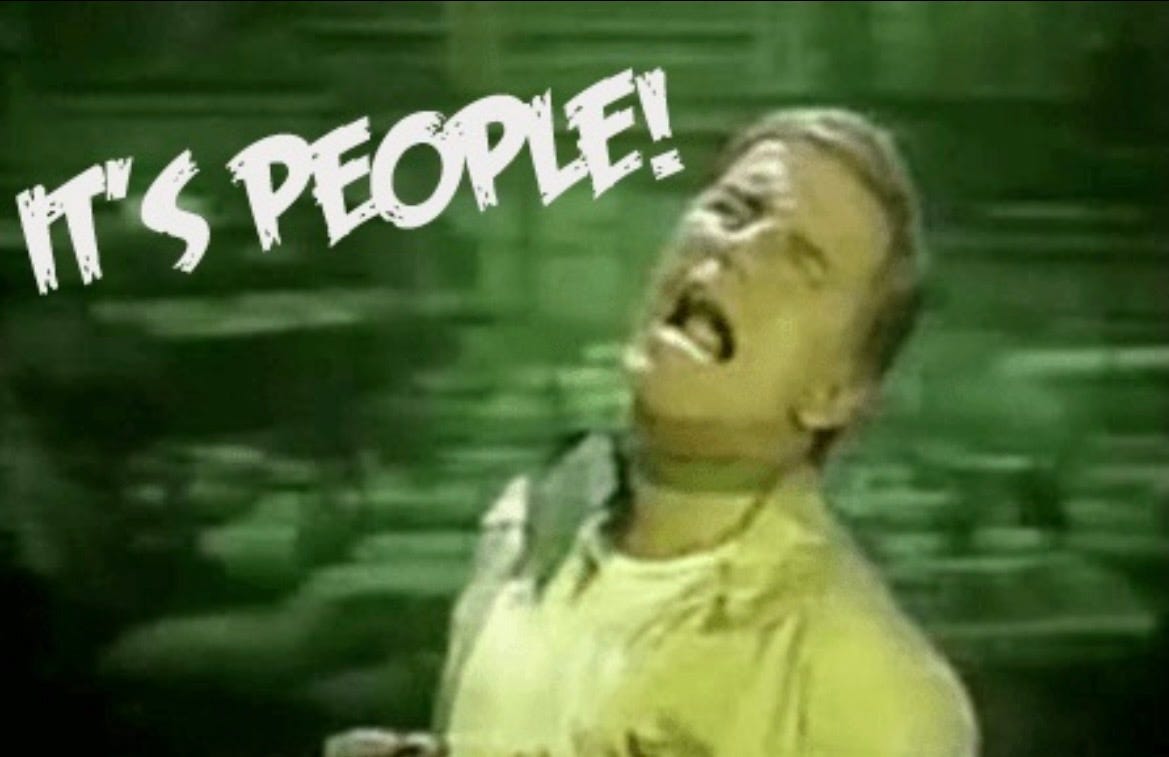
There have always been rumours about human remains being used in and as foods. There have been several rumours about McDonalds and other restaurant chains. As far as I know, none of the stories have ever been proved, although there are always gruesome tales of a tooth or a finger or some other human body part being found in shop-bought or restaurant food. I decided to look into Soylent: what is it, which company manufactures it and why on earth would they call it that?!Here’s what I discovered…
Soylent is a real brand. It’s a range of meal-replacement products - primarily ready-to-drink shakes and powders, plus some bars and protein options - available mainly in the United States. Founded in 2013 (originally as Soylent Nutrition, later Rosa Foods), it is now owned by Starco Brands and headquartered in Los Angeles, California. The products are allegedly plant-based, formulated to deliver complete nutrition - protein, carbs, fats, vitamins and minerals - and marketed as convenient meal replacements or supplements for busy people who can’t (or won’t) stop to cook.
They’re sold direct-to-consumer via soylent.com (shipping to the US and Canada), on Amazon and in thousands of American retail outlets including Walmart, Target, Kroger and 7-Eleven. Manufacturing of the drinks and powders takes place in the United States. On the face of it, a thoroughly modern solution to the ‘problem’ of eating.
But that name! Why on earth would anyone call a food product Soylent?
The brand name comes from the 1966 science-fiction novel Make Room! Make Room! by Harry Harrison. In the book, “soylent” (a blend of “soy” and “lentil”) refers to cheap, mass-produced food made primarily from soybeans and lentils, used to feed an overcrowded future population. The far more famous 1973 film adaptation, Soylent Green (starring Charlton Heston), changed the plot so that the eponymous food product is secretly made from humans. That is the association most people remember. “Soylent Green is people!” remains one of cinema’s most chilling punchlines.
Founder Rob Rhinehart - a software engineer who created the original formula in 2013 as an efficient, complete nutritional substitute after growing tired of the time and cost of real food - has openly said he chose the name because of those morbid film associations. He wanted it to pique curiosity, spark discussion and encourage people to look deeper rather than using a conventional, “flashy” marketing name. It also thematically fitted the product’s goals of providing simple, sustainable, engineered nutrition that could help address issues like overpopulation and resource strain - echoing the book’s premise more than the movie’s twist. Either way, it sounds pretty creepy to me!
In short: the real-world product is plant-based (soy protein is a key ingredient), has nothing to do with human remains (so we’re told!) and the provocative name was intentional marketing that leaned into the sci-fi reference for intrigue. The company has even played along with the jokes over the years, with campaigns emphasising “plants, not people.” Funny. Why do the words “double” and “bluff” spring to mind?
Yet the choice still feels like a deliberate wink. In a world where corporations increasingly push ultra-processed, lab-engineered “foods” as the future - insect protein, lab-grown meat or synthetic alternatives - naming your product after a dystopian nightmare in which the masses are forced to eat human remains seems either extraordinarily tone-deaf or remarkably on-the-nose. Rhinehart and his co-founders (Matt Cauble, John Coogan and David Renteln) were Silicon Valley types who crowdfunded the early product and attracted big venture capital from the likes of Andreessen Horowitz and Google Ventures. The whole enterprise was framed as “disrupting” traditional food - making eating obsolete for efficiency’s sake.
There have been controversies along the way. In 2015, a consumer group filed notice of a lawsuit under California’s Proposition 65 over levels of lead and cadmium in the product (above the state’s strict disclosure thresholds, though below federal FDA limits). In 2016, some customers reported becoming ill after consuming Soylent bars and powder; the company issued recalls, later linking problems to algae-based ingredients, and reformulated. A 2017 recall of powder was prompted by possible dairy cross-contamination in a lactose-free product. Critics have questioned whether a liquid diet long-term is truly healthy – concerns about dental health from lack of chewing, potential nutrient absorption issues from phytates in soy, and the sheer unnaturalness of reducing food to slurry.
Nutritionists have pointed out that while the formula aims to hit recommended daily intakes, food is more than a checklist of isolated nutrients; the social, sensory and cultural aspects of eating matter too.
As for those persistent rumours of human remains in everyday food? Documented cases of foreign objects do surface from time to time in fast-food outlets around the world, including rare confirmed incidents at McDonald’s. Most are isolated accidents rather than evidence of systemic cannibalism. Claims that human teeth, bones or flesh are routinely ground into calcium supplements or burger meat have been repeatedly debunked - not that that means much! The FDA in the US prohibits human remains in food, and viral videos linking body-parts warehouses to burger suppliers have been shown to be misattributed or outright satire. Still, the stories circulate because they tap into a deeper unease: how much do we really know about what goes into the highly processed, globally supplied food system?
Soylent itself is not people. That’s what the advertising slogans tell us anyway. And I’m sure customers are very pleased to hear that! Its ingredients are listed, plant-derived and manufactured under food-safety regulations. Yet the deliberate choice of a name that evokes one of the darkest food conspiracies in popular culture invites the very questions it claims to answer. In an age of elite-driven narratives about overpopulation, climate scarcity and the need to “reimagine” our diets, a product called Soylent - sold as the rational, efficient future of nourishment - feels less like coincidence and more like a cultural signal.
Is it just clever marketing by a tech founder with a dark sense of humour? Or another example of uncomfortable truths being hidden in plain sight, packaged neatly and sold back to us as progress? You decide.
Artificial food presupposes that we have a perfect understanding of the human body and its needs. We don't.
He wanted to free up humanity from the tiresome time wasting boredom of finding,preparing and EATING real food. A minute away from your screen is a minute wasted.